Before you start on the rooms
Remove waste, abandoned goods and construction debris. Complete patching, painting and pest work first. If there has been a leak, do not cover the symptom with fragrance or disinfectant—repair the source and deal with wet materials appropriately.
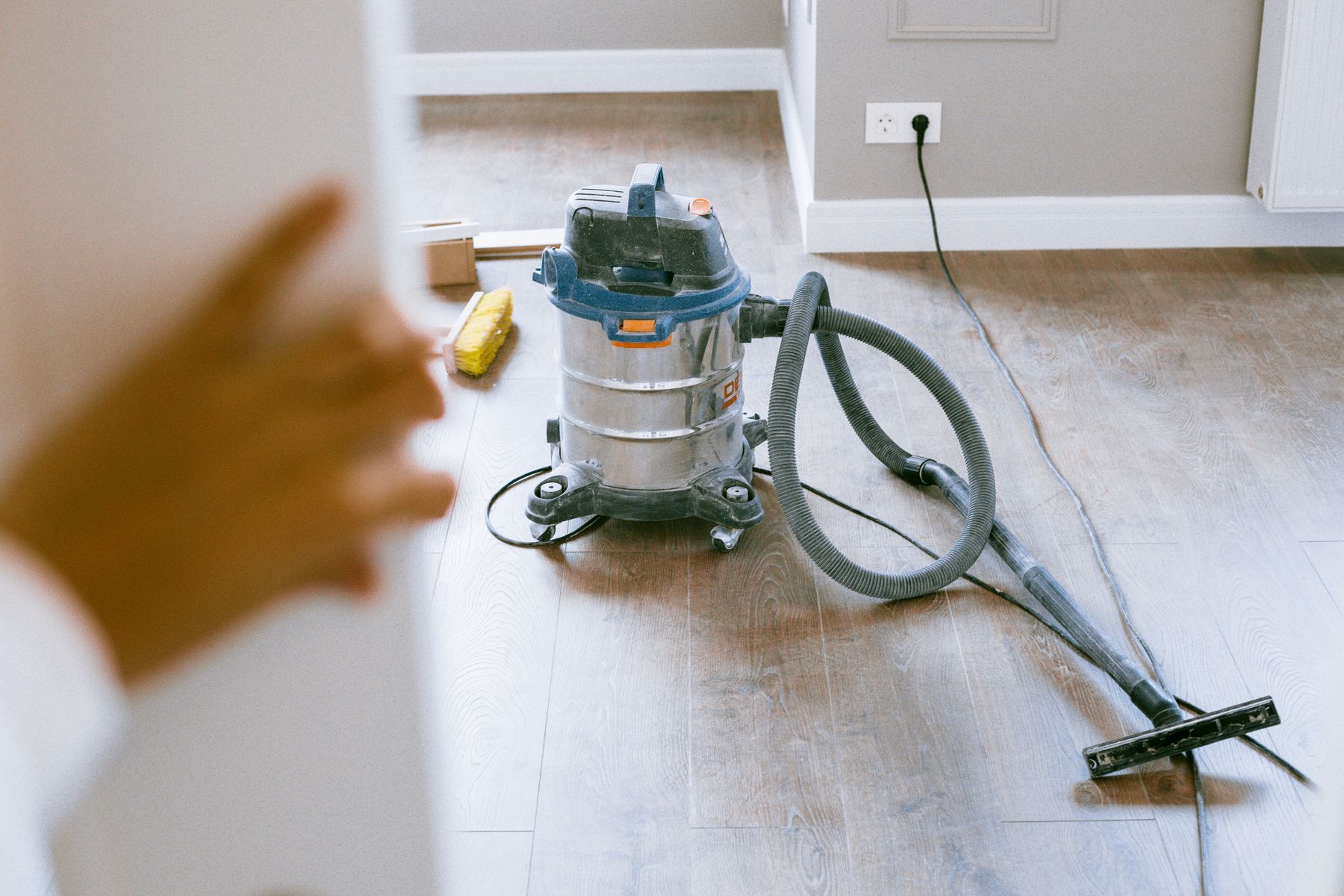
Vacuum or remove dust before wet work. Heavy soil usually needs pre-cleaning before disinfection, and combining the two steps informally can spread residue rather than remove it.
Entrance, halls and living or work areas
Begin with the route every occupant will use. Clean door faces, frames, baseboards and floors. Consider targeted disinfection for compatible handles, locks, switches, railings, intercoms and other shared controls.
- Door and window hardware
- Light switches, thermostats and control panels
- Closet pulls, built-in shelving and drawer handles
- Shared keys, fobs and remotes when the manufacturer permits
Kitchen or staff room
Degrease and clean before disinfecting. Pull out removable drawers and inspect appliance seals, cabinet interiors and the areas beneath movable equipment. Food-contact surfaces may require a potable-water rinse after the disinfectant contact time; follow the label.
- Faucet and sink controls
- Refrigerator, oven, microwave and dishwasher handles
- Counter edges, cabinet pulls and waste-bin touchpoints
- Backsplashes and appliance controls
Washrooms
Remove scale, soap film and visible soil with a compatible cleaner before the disinfection step. Give the product its full wet contact time, and do not mix toilet-bowl products with bleach or other cleaners.
- Faucets, flush controls and toilet seats
- Door, stall and vanity hardware
- Shower controls and grab bars
- Soap dispensers and accessible support surfaces
Check delicate materials first
Natural stone, unfinished wood, specialty coatings, touchscreens and porous upholstery may be damaged by a product intended for sealed hard surfaces. Check both the disinfectant label and the material manufacturer’s instructions.
When compatibility is uncertain, document the exclusion and choose a safer method after confirmation. An honest untreated item is better than concealed chemical damage.
Write down what was done
Record the rooms completed, the date, any areas that were inaccessible and any damage found. Note whether keys, remotes or access devices were included. Keep product records where the property’s safety system requires them.
A turnover service improves the starting condition of a property. It cannot guarantee that the space will remain free of germs once people, deliveries and normal activity return.
If the property contains mould, sewage, needles, animal waste, hazardous dust or another specialized hazard, stop and arrange the appropriate assessment or remediation service.
Further reading
Guidance can change. Check the current product label and the latest requirements that apply to your workplace.
This article provides general information for Canadian workplaces and properties. It does not replace a product label, safety data sheet, workplace procedure, public-health direction or professional assessment.